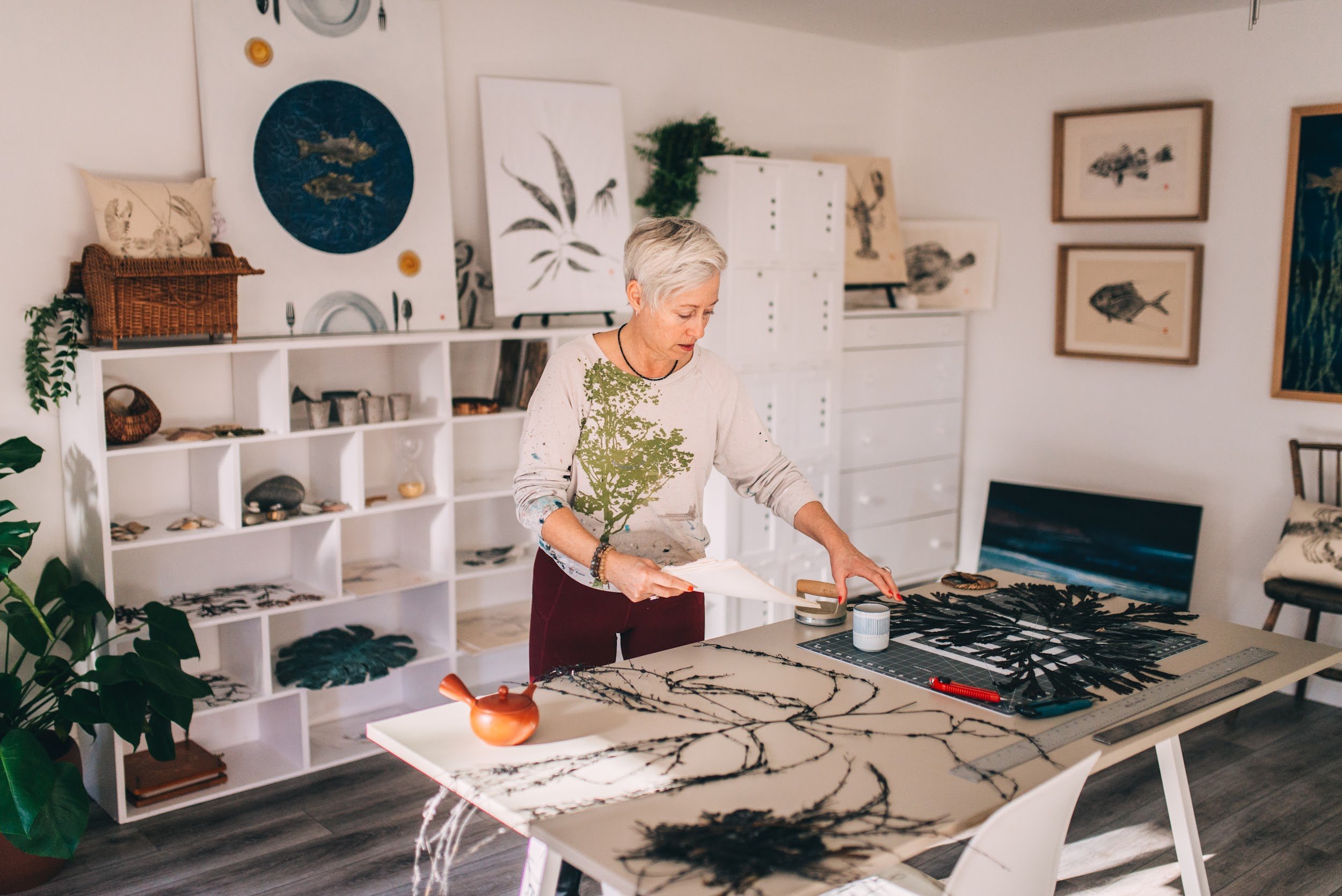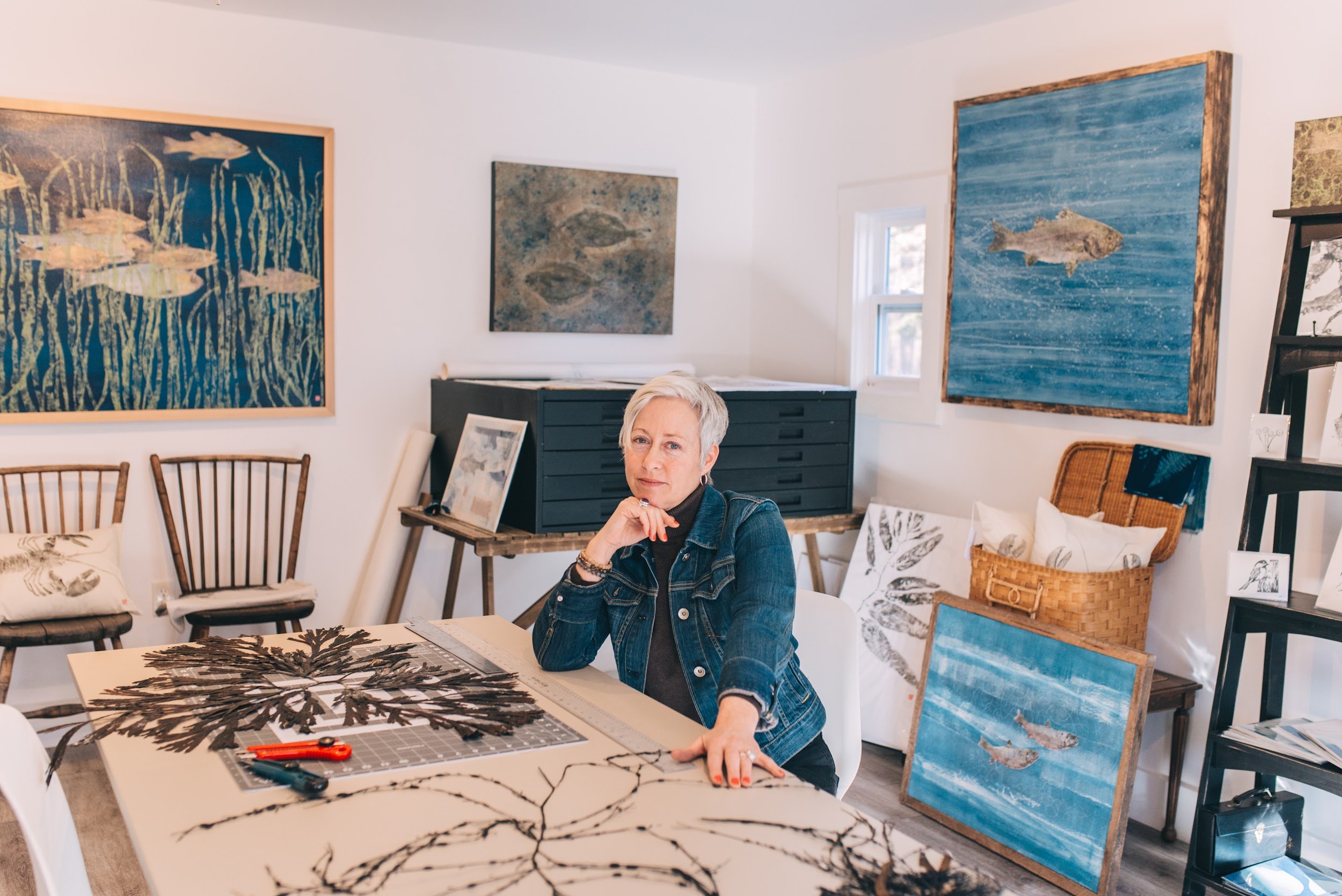
Curiosity
Creativity
Connection
Rachel Reeve, an interdisciplinary visual artist based in Nova Scotia’s Annapolis Valley has exhibited in Canada, Japan and the United States. Reeve received her BFA (Interdisciplinary) from NSCAD University.
The experience of living and working in Japan in the early 2000's continues to influence her work. With an interest in the reverence toward nature that exists in Japanese art and culture, Reeve creates a hybrid of cultural connections with Nova Scotia. About Rachel >
Featured Artwork

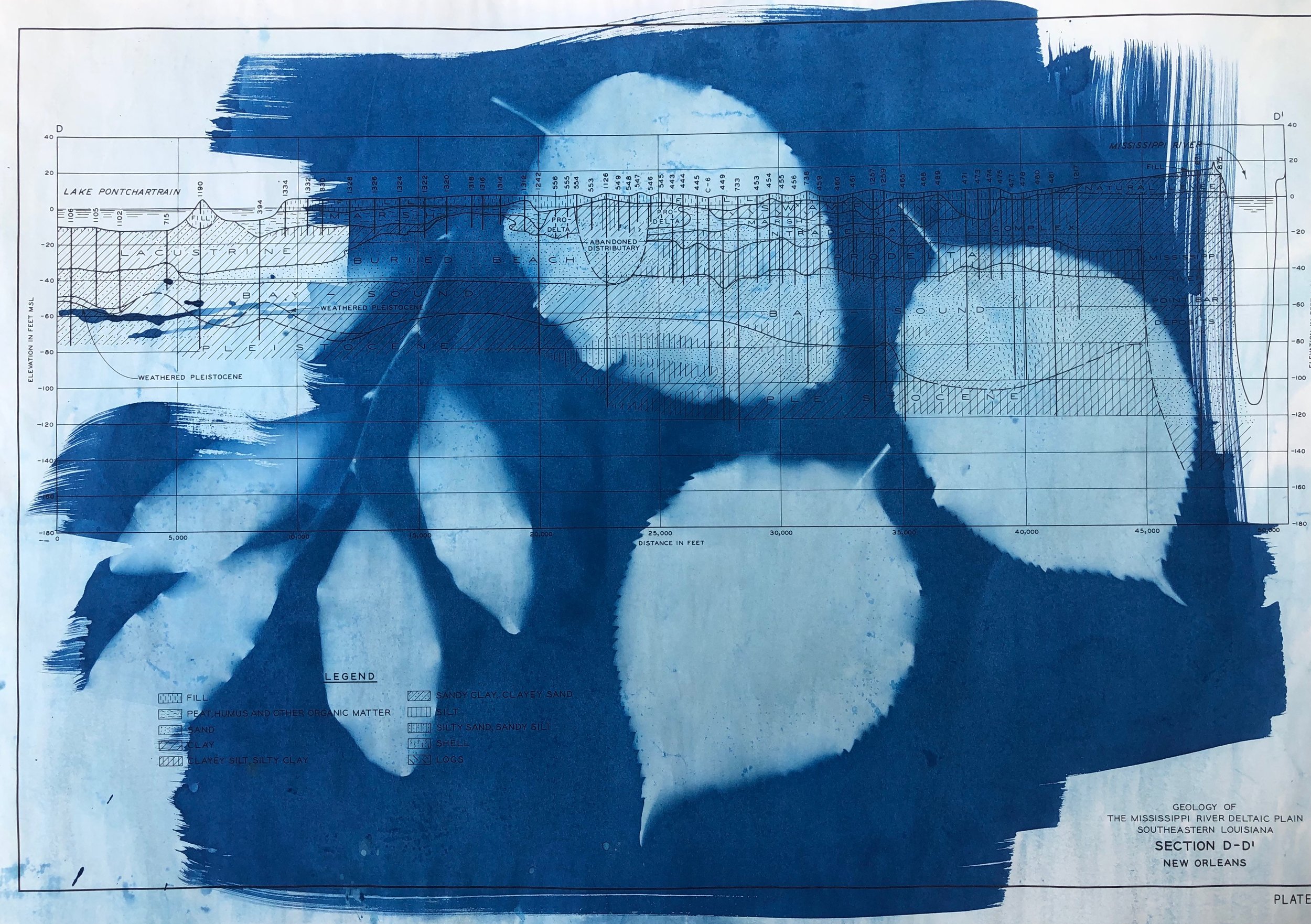
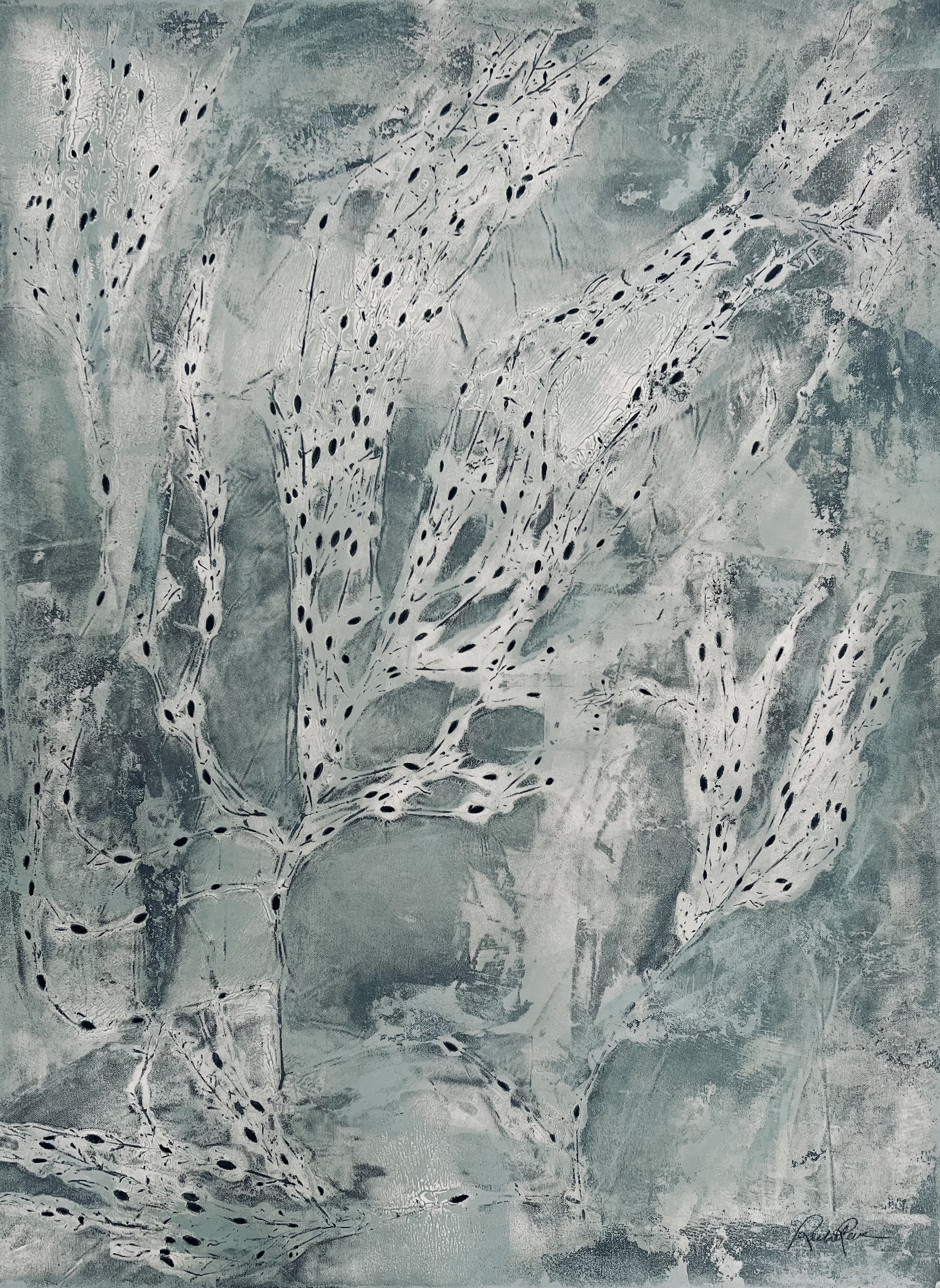
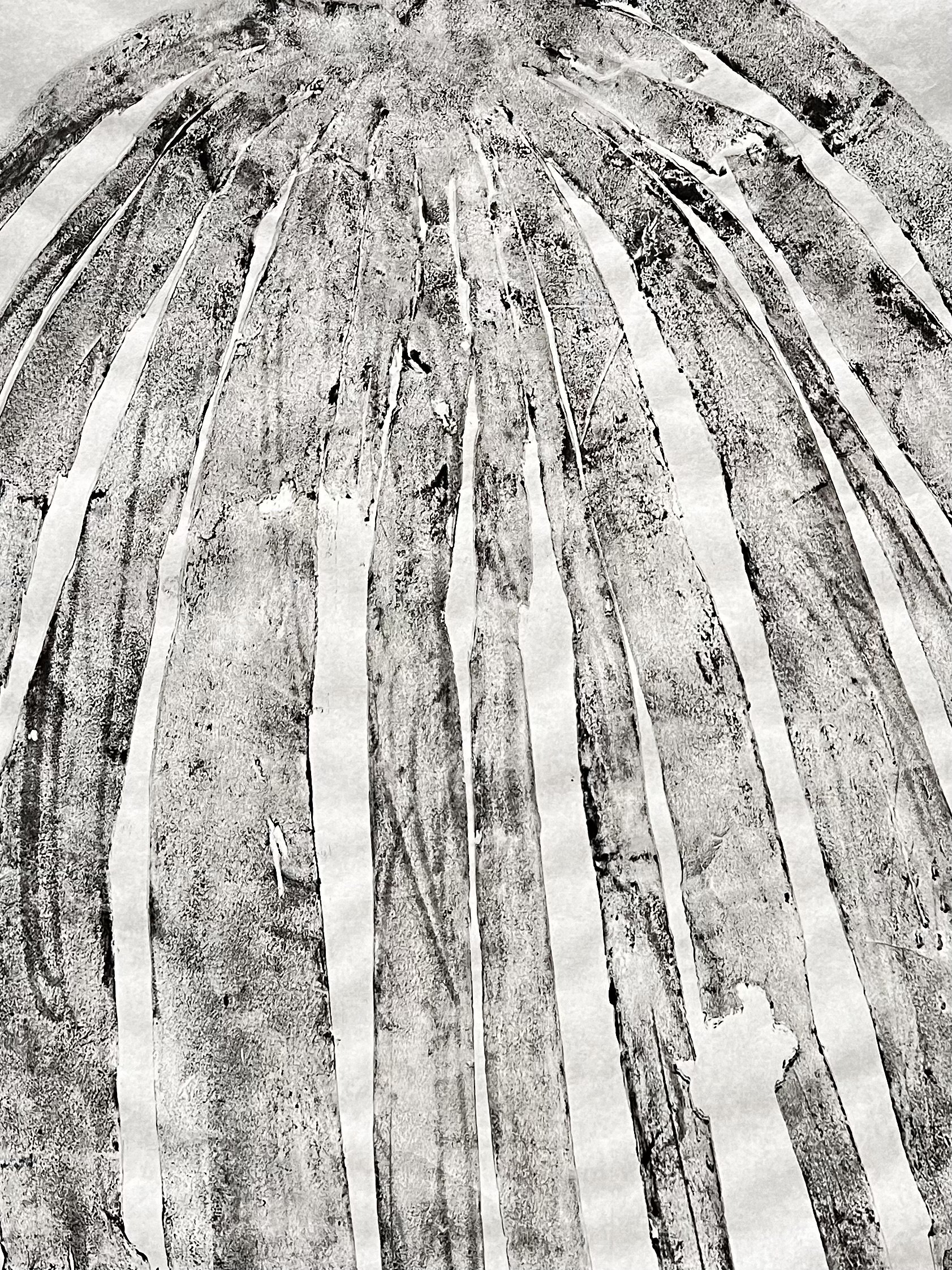


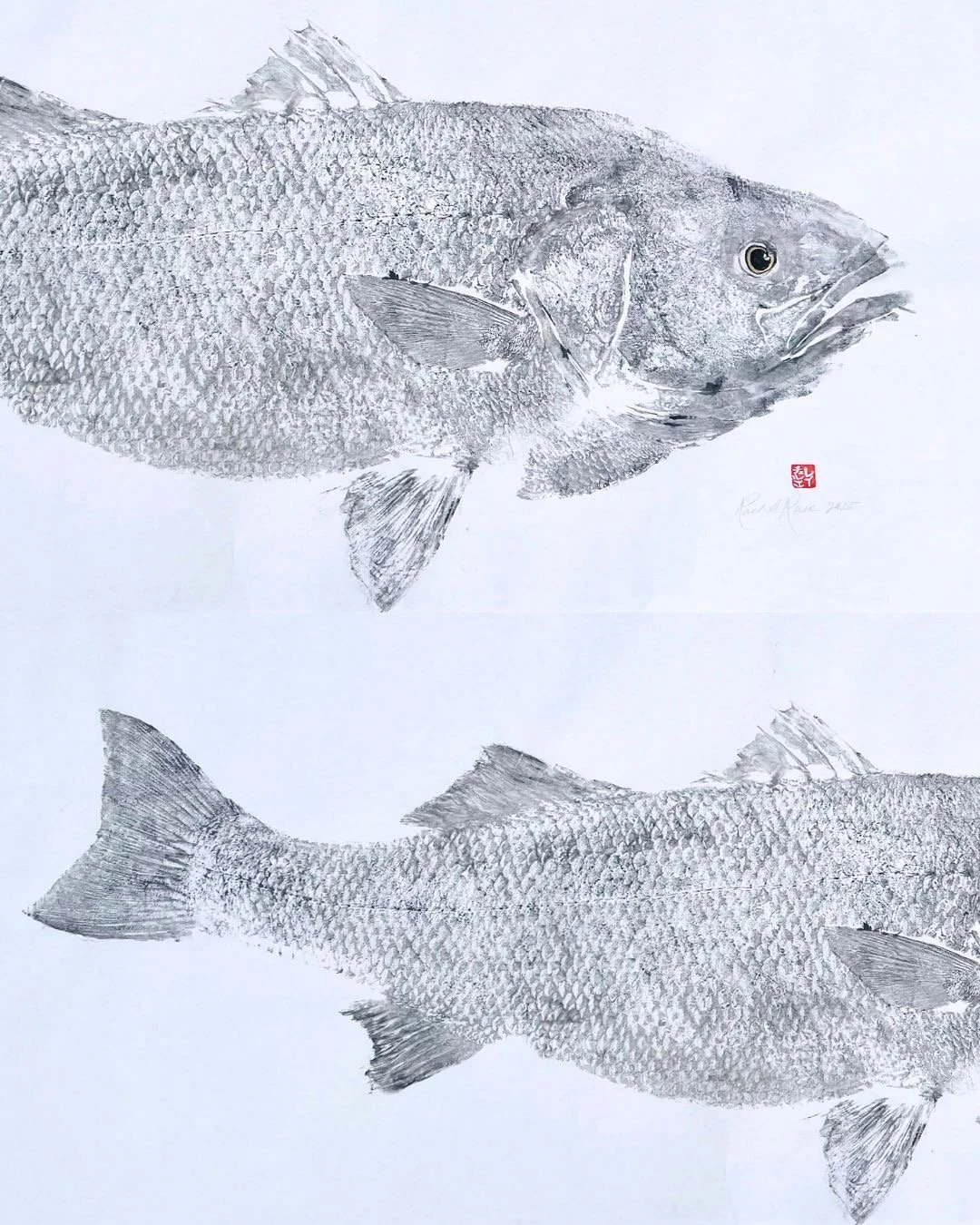
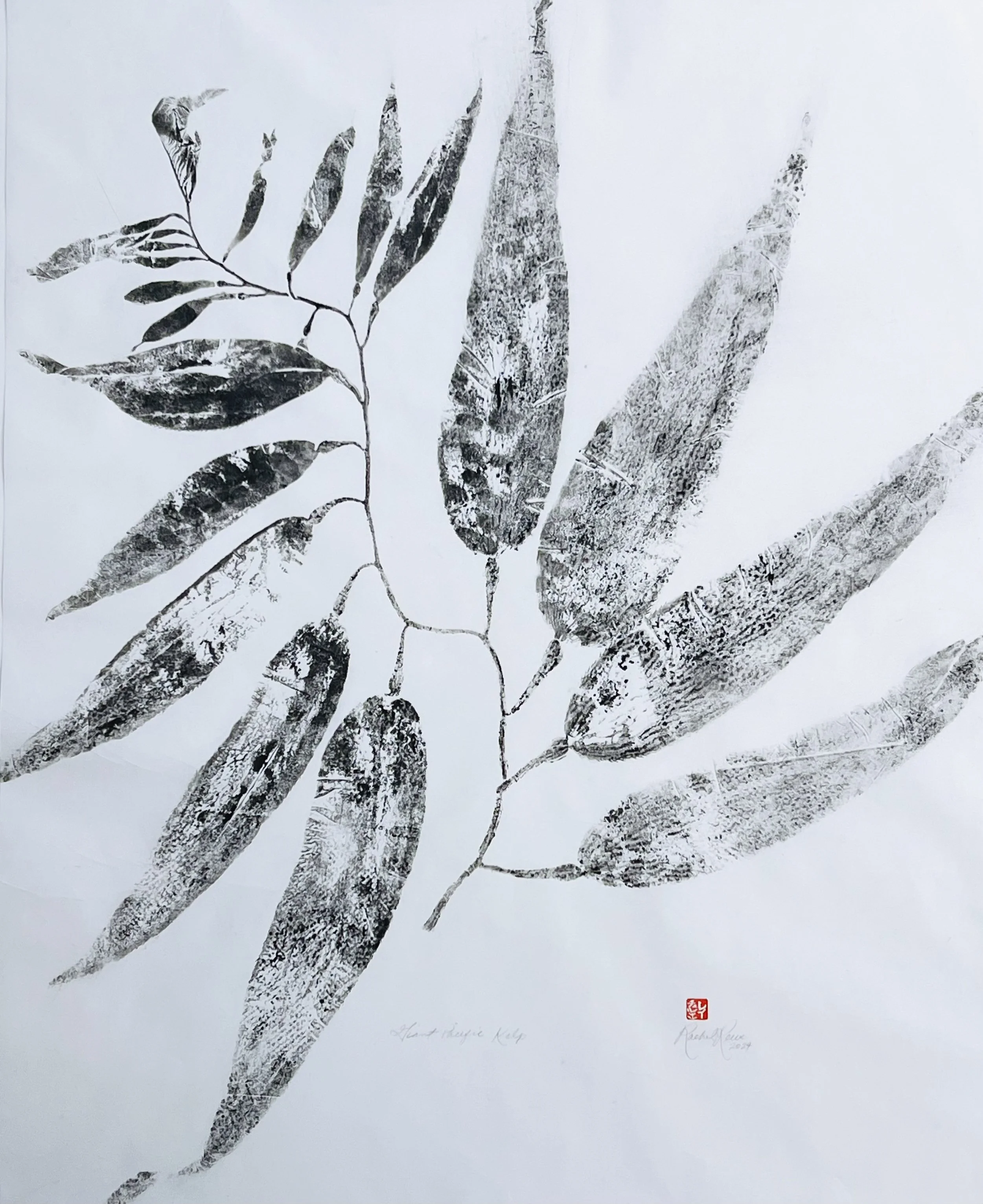
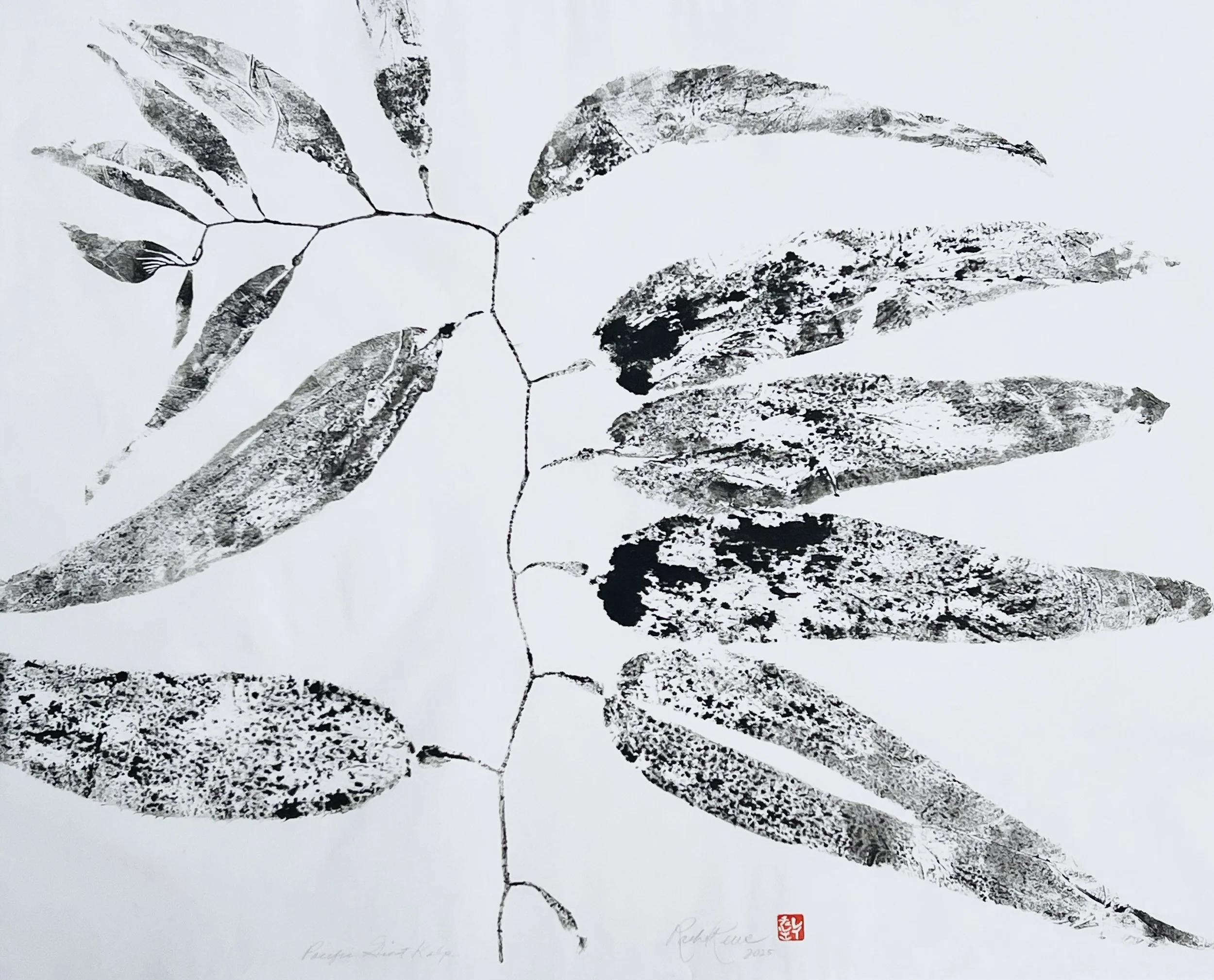
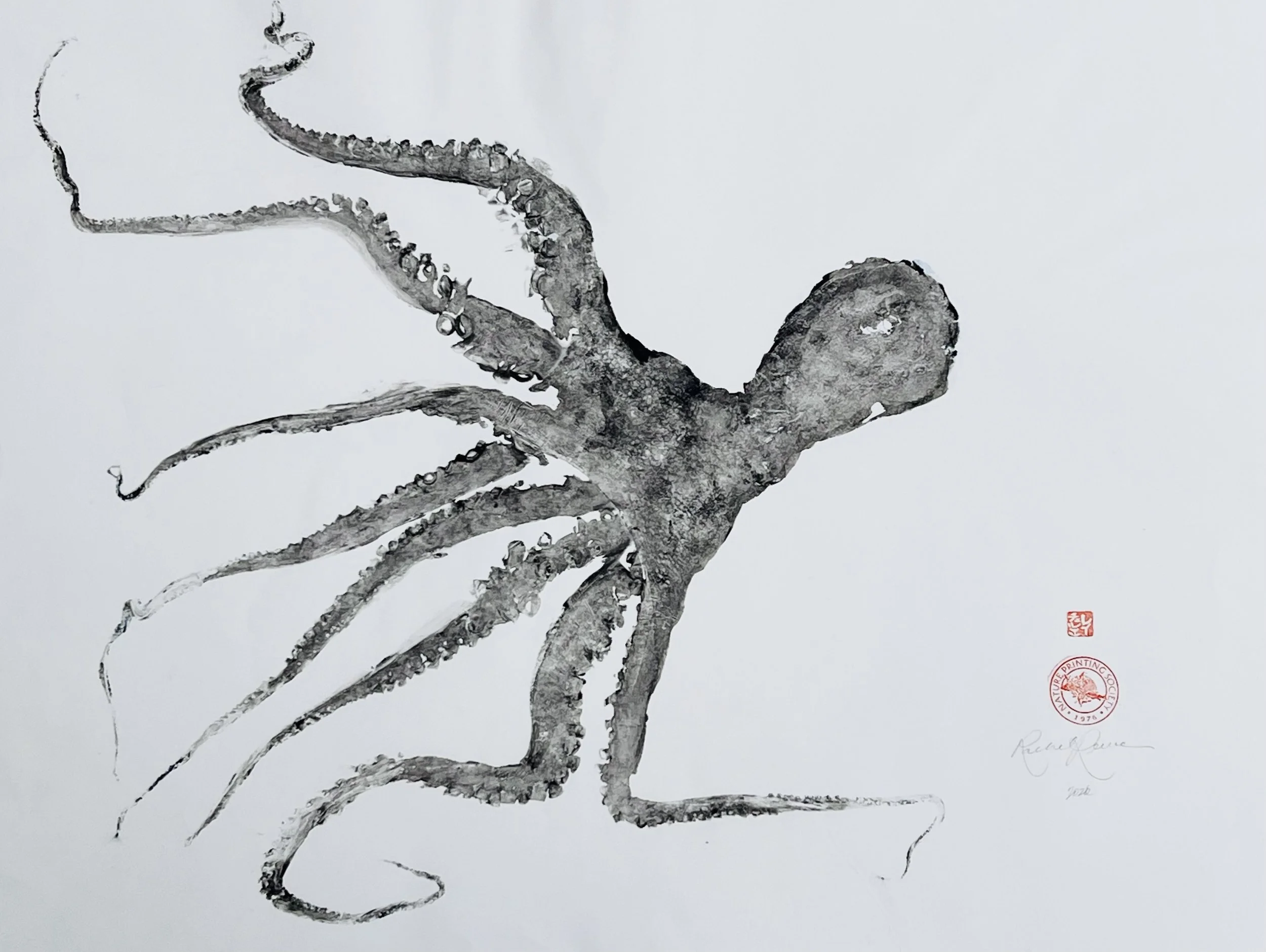
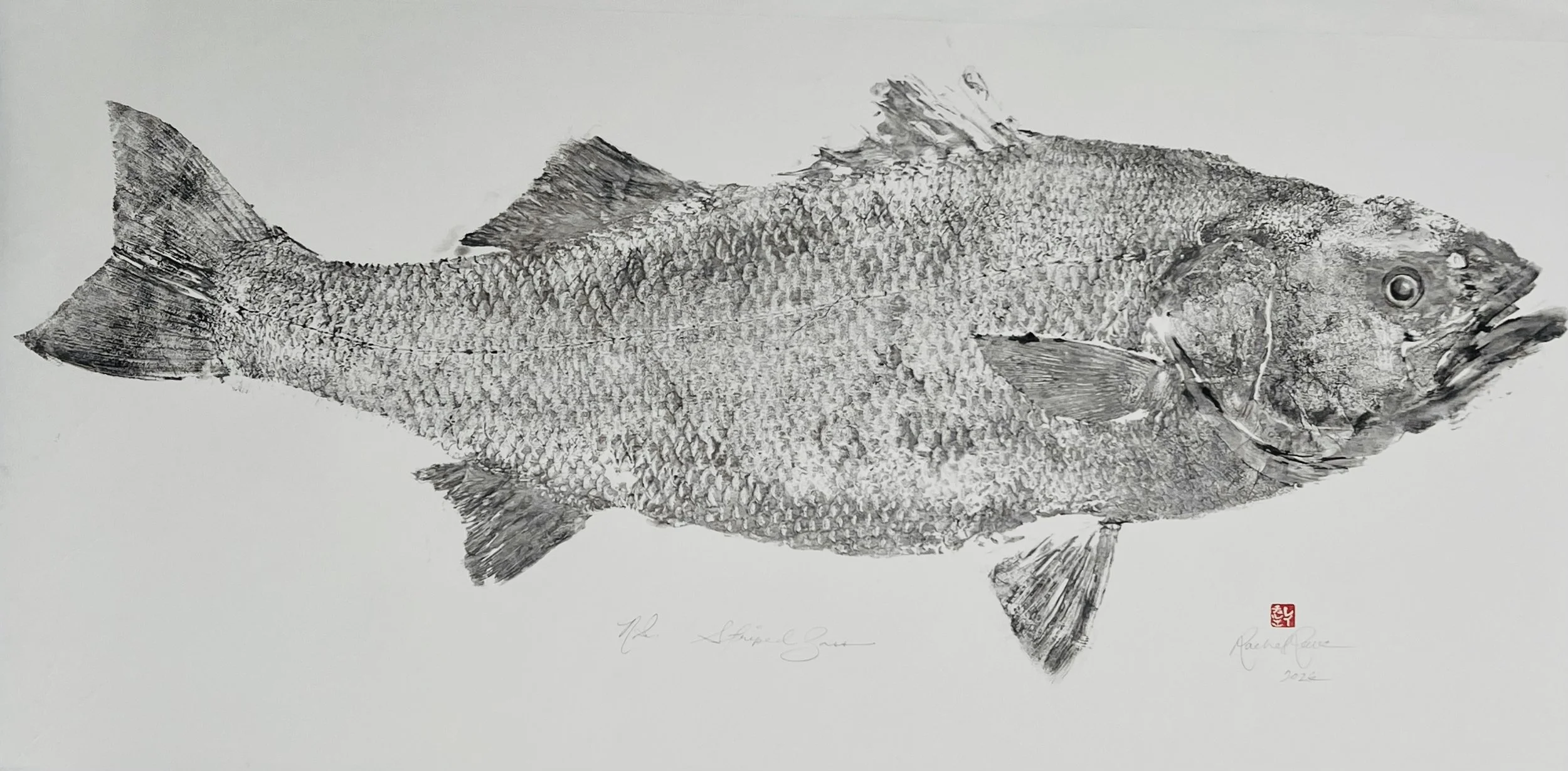
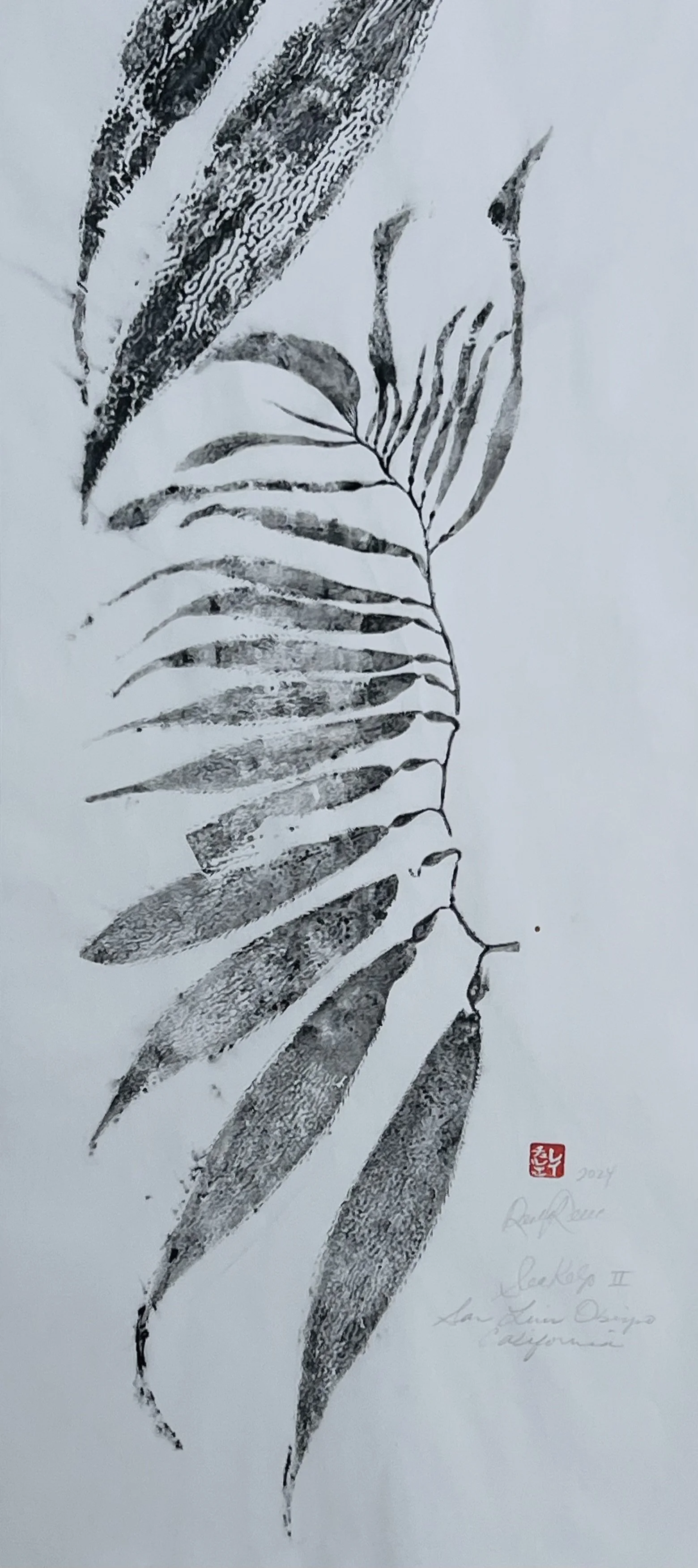
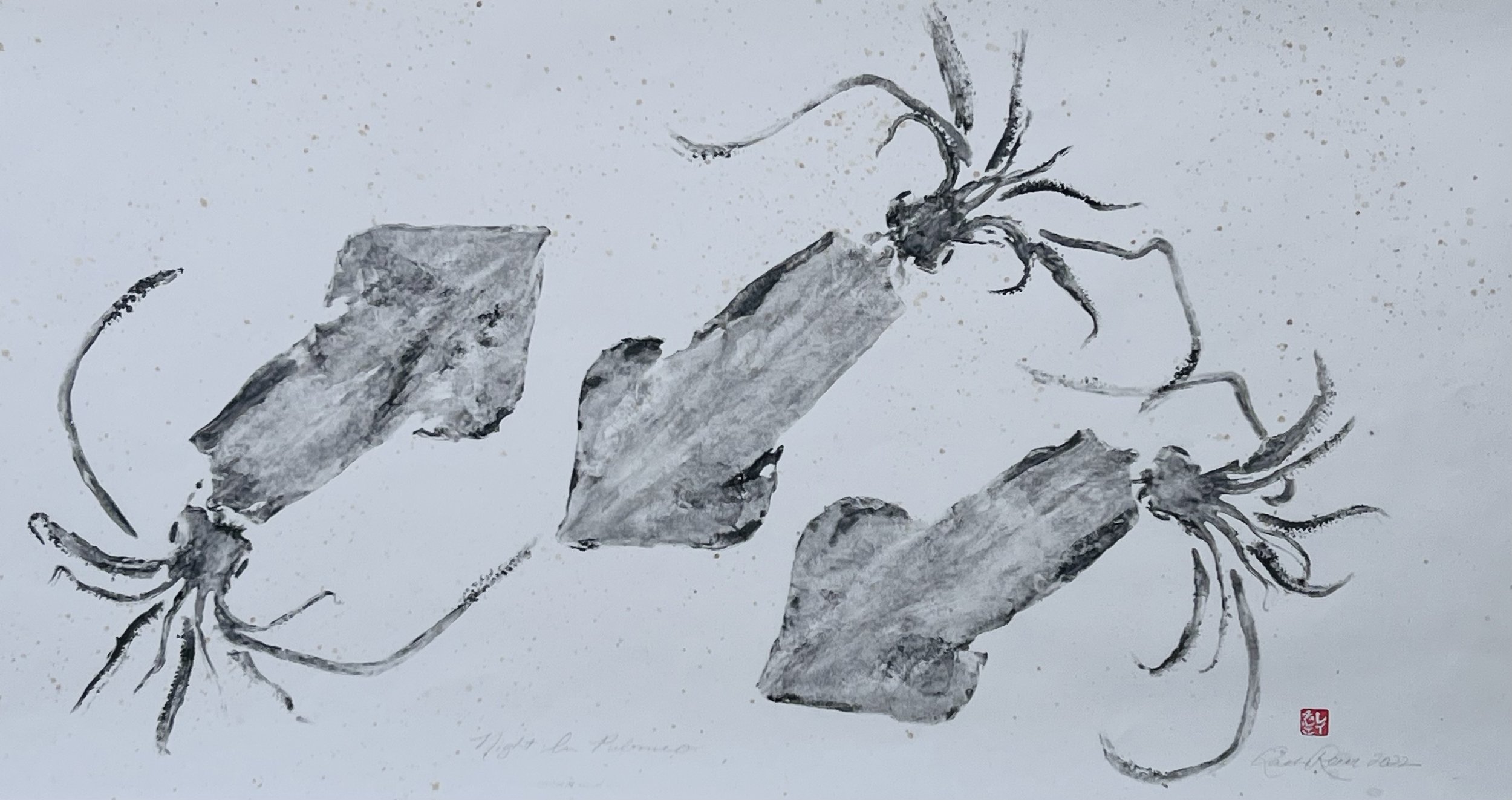
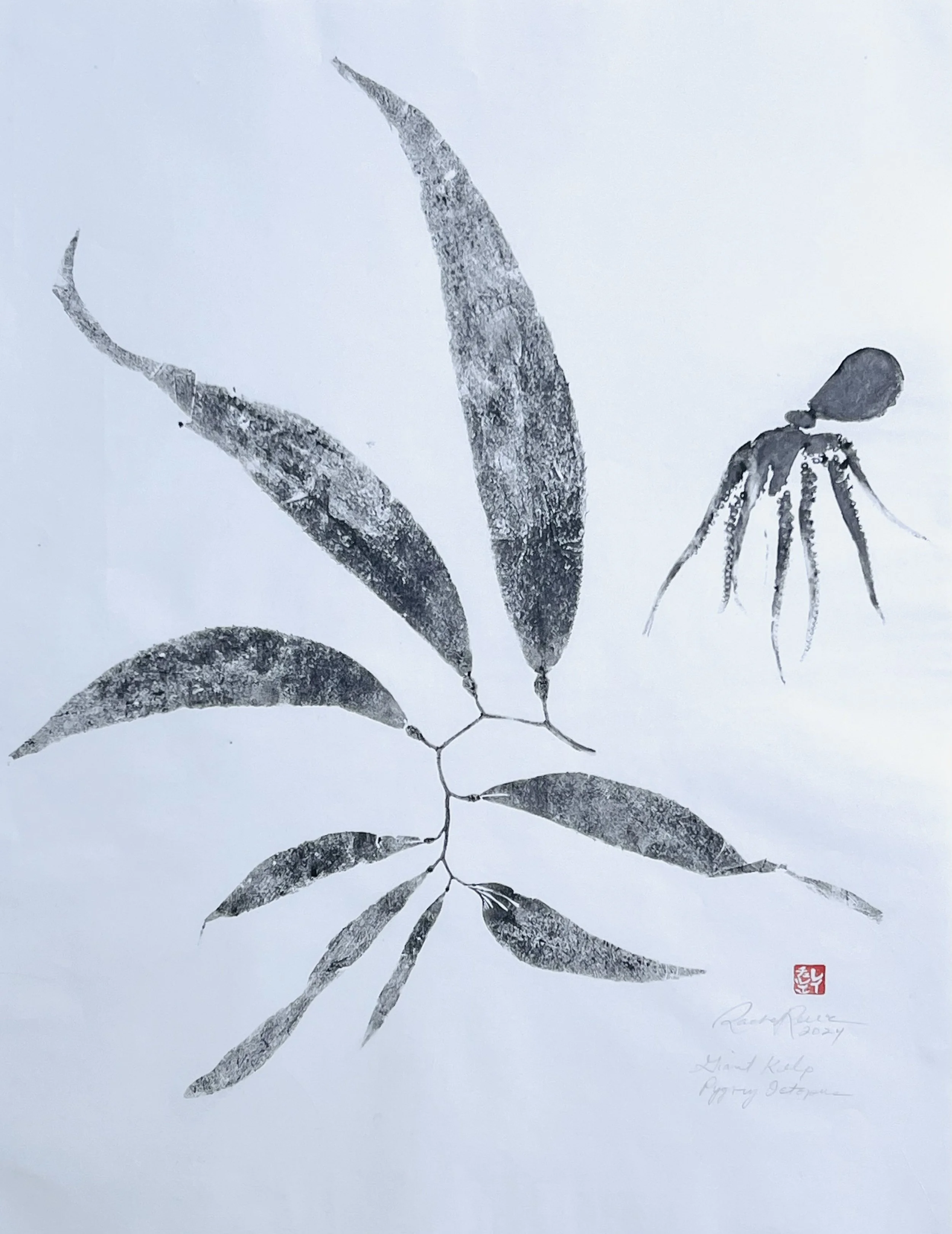
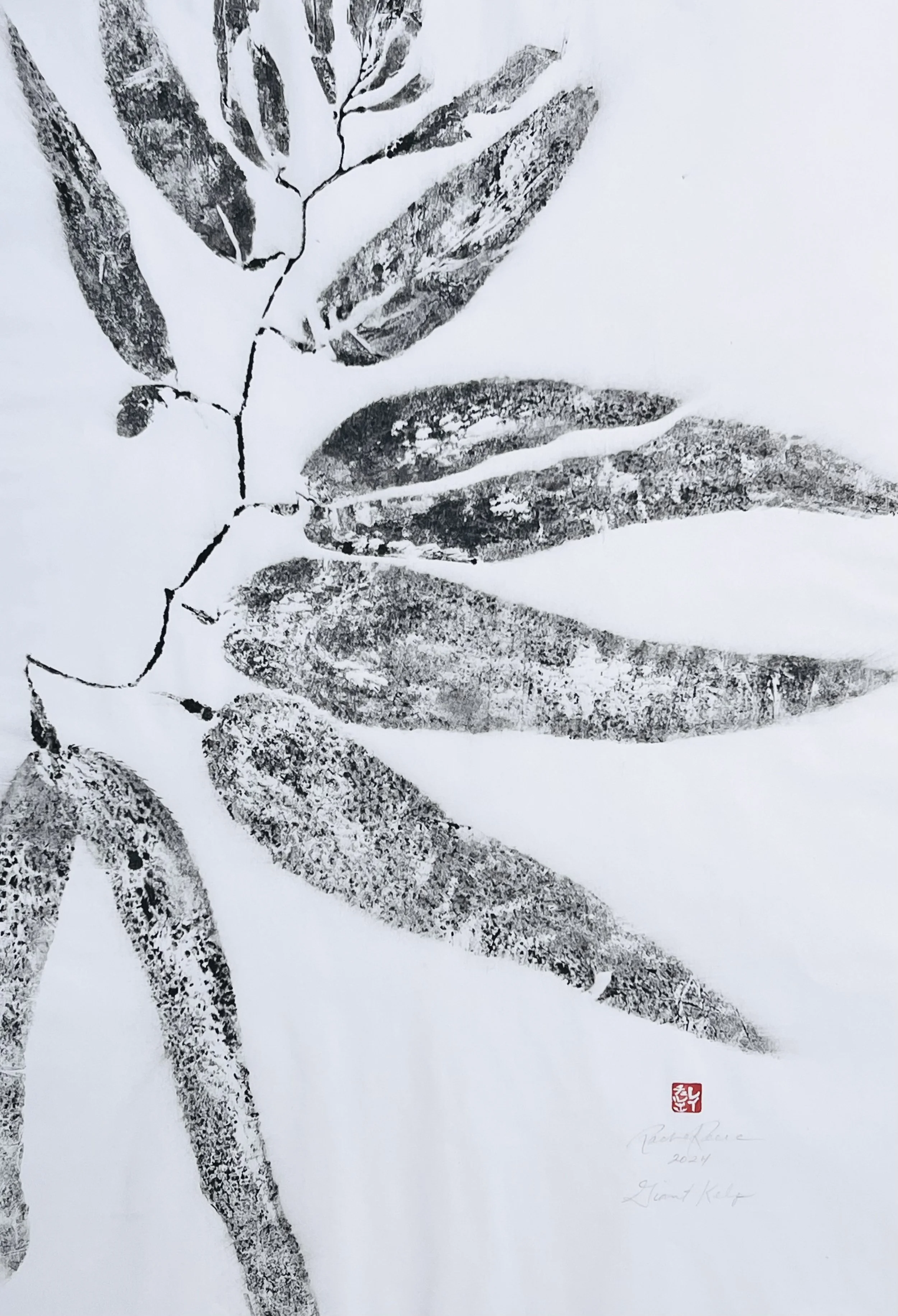
Discover the unique collection showcased at Rachel Reeve :: Art & Design. Each piece reflects a harmonious blend of creativity and craftsmanship, inviting viewers to explore themes of nature, identity, and transformation. The gallery features a diverse range of mediums, from striking paintings to intricate botanical and gyotaku prints, each telling its own story while contributing to a cohesive narrative about the human experience. The hands-on connection with natural elements is central to Rachel Reeve’s artistic process. By engaging with specific natural forms as both subject and collaborator, she fosters a relationship of reciprocity. This approach transforms her work into a reflection of conservation, identification, symbolism, and the narratives of origin and place. Her compositions and designs often emerge intuitively, guided by the organic qualities of line, form, and texture inherent in each plant or fish specimen.
Frondescence
Exhibition Dates: September 16-28, 2026
Location: Usagi Gallery, New York City
Gallery Link: https://usaginygallery.myportfolio.com/work
Frondescence refers botanically to the emergence of leaves—the unfolding of new growth.
Through hand-printed seaweed, fish, marine life, and plants gathered from the coastlines, rivers, lakes, and rural landscapes of Nova Scotia, Frondescence explores relationships between body, landscape, memory, and the more-than-human world. Working through direct contact with organic materials, each print emerges through presence, care, and relationship.
Throughout the exhibition, hand-printed noren—traditional Japanese fabric dividers—act as thresholds, both literal and metaphorical, inviting visitors to move gently between spaces of reflection, emergence, and discovery. Rather than presenting individual artworks as isolated objects, Frondescence unfolds as an ecology of relationships. An invitation to slow down, to notice, and to enter.
-
The installation explores botanical impression, hand-printing, and textile processes using seaweed, plants, fish, and organic materials gathered from coastal and rural Nova Scotia. Through direct contact printing methods with non-toxic inks, the work is rooted in attentiveness, embodiment, and guardianship—with nature and self, including how meaning unfolds over time through relationships—with materials, symbols, stories, and place.
By treating organic matter as collaborators rather than subjects, translating practical processes into contemplative acts, and creating an immersive space with large-scale textile forms, the work will move fluidly between printmaking, installation, and ritual experience.
Created during a period of ecological uncertainty, social fragmentation, and collective trauma, Frondescence reflects a growing need for forms of attention rooted in slowness, reciprocity, material presence, and connection to the more-than-human world. “Ocean and plant life serve as both subject and metaphor …while botanical forms speak to cycles of growth, fragility, and renewal,” (Lauren Kannwischer, “A Day in the Life with Visual Artist Rachel Reeve”). Rather than illustrating these systems and relationships directly, the project approaches them through process, atmosphere, and the contact traces of embodied encounter.
Frondescence occupies an experimental space in my career thus far—a threshold project between processes I have been honing for years and new terrain: integrating personal symbolism, mythology, and text to explore narratives of emergence, integration, and repair at personal, collective, and ecological levels. At the core of this new approach is the integration of symbolic Birdman imagery and narrative elements drawn from more than thirty years of personal journals and drawings (my “Bird Journals”).
Developed while navigating trauma and neurodivergence, the Bird Journals have provided a creative, symbolic framework for my life and practice. Bird functions as a kind of daimon or tutelary presence—a figure existing between guardian, witness, messenger, and alter ego. Bringing this imagery into my work introduces a more personal and mythic visual language to my work, connecting my interior and exterior worlds.